
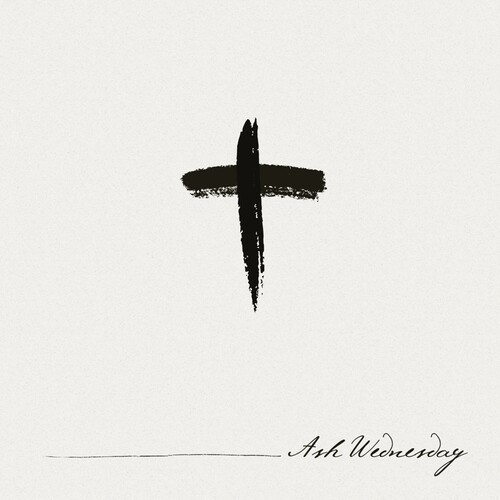
Ash Wednesday
“Yet even now,” declares the Lord,
“return to me with all your heart,
with fasting, with weeping, and with mourning;
and rend your hearts and not your garments.”
Return to the Lord your God,
for he is gracious and merciful,
slow to anger, and abounding in steadfast love;
and he relents over disaster.” – Joel 2:12-13 (ESV)
Let's get this out of the way right up front: I'm old – a child of the Sixties and a teen (and young adult) of the Seventies. In the 1970s, I attended a Christian junior-senior high school in Baltimore, MD. Our sports teams were, perhaps unsurprisingly, called the Saints. The Saints’ cheerleaders, of course, offered numerous quaint cheers apropos of those long-ago times. One of them sticks in my mind, more than 50 years later. Ashes to ashes, dust to dust, we hate to beat you, but we must, we must. Go, Saints!
There was also a big hit song in those days, by a group called Kansas, titled Dust in the Wind. This cheerful little ditty reminds us of the fleeting nature of our lives, evoking the Old Testament book of Ecclesiastes:
I close my eyes
Only for a moment and the moment's gone
All my dreams
Pass before my eyes with curiosity
Dust in the wind
All they are is dust in the wind
Ash Wednesday is February 18th this year. If you peruse Scripture, you won’t find Ash Wednesday, but many Christians choose to observe Ash Wednesday, considering it to mark the beginning of the season of reflection and preparation known as Lent. You won’t find “Lent” in the Scripture, either, but spending a few moments of reflection on these traditions, I’ll suggest, can still be a worthwhile undertaking.
Ash Wednesday is all about dust and ashes. Dust and ashes have a long history in the Scriptures… all the way back to Genesis 3:19
“By the sweat of your face
you shall eat bread,
till you return to the ground,
for out of it you were taken;
for you are dust,
and to dust you shall return.”
This is God pronouncing sentence on fallen humankind for our failure to trust and obey God, but only after He extended the promise of His grace to us in verse 15, while addressing the fate of that “crafty serpent” who deceived us:
“I will put enmity between you and the woman,
and between your offspring and her offspring;
he shall bruise your head,
and you shall bruise his heel.”
That enmity, when the time had fully come, was literally personified in the Messiah, Jesus Christ, who came to us, as promised, in fully human form, but also fully God – an inconceivable mystery! We are blessed to live in the reality of Christ’s incarnation, life, ministry, death, and resurrection… but that reality does require faith (belief) from us to have its intended impact. Faith, too, is an unmerited gift. Faith isn’t a verb. We can’t do faith – but our faith can be informed and strengthened. And I think that those are key objectives of Ash Wednesday and Lent. Lent is a time of reflection on our fallen state, dating way, way back, and the deep, keening need we have for reconciliation with God.
And then there are ashes. When things are burned, the residue they leave behind is in the form of ashes. Ashes in the Bible are employed ritualistically to indicate sorrow, contrition, and lament. Remember Job? In Job 2:7-8, Satan “went out from the presence of the Lord and struck Job with loathsome sores from the sole of his foot to the crown of his head. And he [Job] took a piece of broken pottery with which to scrape himself while he sat in the ashes.” At a typical Ash Wednesday church service, a pastor, deacon, or elder will daub ashes onto a person’s forehead or the back of a hand, and softly quote the words of Genesis 3:19 or the very similar words of Ecclesiastes 3:20: “All go to one place. All are from the dust, and to dust all return.”
Ash Wednesday is a time to be reminded of our mortality, which is another way of saying it’s a time to be reminded of our sin. Sin is separation from God, and it carries with it a death sentence. As a consequence of sin, we find ourselves existing as mortals on this Earth. Every death of a friend or loved one, and ultimately our own, is a bitter, painful reminder of the impermanence of that dust from which we were fashioned. Were we “Old Testament people”, we might react to these cheery thoughts by wearing “sackcloth and ashes”, ritualistically bemoaning our pitiful, fallen state.
I’ll quote the next verse of that Kansas song:
Same old song
Just a drop of water in an endless sea
All we do
Crumbles to the ground, though we refuse to see
Dust in the wind
All we are is dust in the wind
Ash Wednesday reminds us of our pitiful, condemned state – but not just to chide us for our bad lifestyle choices! We’re reminded of sin and death to make sure we understand our need for a Savior! As Chris Green memorably said: Jesus didn’t come to make sick people well [although Scripture makes clear that He did plenty of physical healing]. Jesus came to make dead people live. That incredible fact has maximum impact when we think about what being really most sincerely dead (to borrow from the Wizard of Oz) means. Death is permanent and irrevocable separation from the God who created us.
But then there’s Easter. The "mood" of the verb I used in the last sentence above was changed very early that Sunday morning from is to would be. Physical death would be separation from God (spiritual and eternal death), but God took it upon Himself, in the person of His Son, Jesus the Christ (Messiah), to pay the debt of our sin, to level the playing field – which we are incapable of doing for ourselves – once and for all. In Christ we are not dead – we are alive.
Thanks to Jesus’ sinless life as a living, breathing human being, culminating in His work on the Cross, we’re not just dust in the wind after all.
Thanks be to God!
Postscript: It’s interesting and kind of uplifting to note that Kerry Livgren, who wrote the lyrics to Dust in the Wind, was on something of a spiritual quest at the time. A few years later he became a Christian himself.
Source: https://depree.org/life-for-leaders/dust-in-the-wind-a-devotion-for-ash-wednesday/
There was also a big hit song in those days, by a group called Kansas, titled Dust in the Wind. This cheerful little ditty reminds us of the fleeting nature of our lives, evoking the Old Testament book of Ecclesiastes:
I close my eyes
Only for a moment and the moment's gone
All my dreams
Pass before my eyes with curiosity
Dust in the wind
All they are is dust in the wind
Ash Wednesday is February 18th this year. If you peruse Scripture, you won’t find Ash Wednesday, but many Christians choose to observe Ash Wednesday, considering it to mark the beginning of the season of reflection and preparation known as Lent. You won’t find “Lent” in the Scripture, either, but spending a few moments of reflection on these traditions, I’ll suggest, can still be a worthwhile undertaking.
Ash Wednesday is all about dust and ashes. Dust and ashes have a long history in the Scriptures… all the way back to Genesis 3:19
“By the sweat of your face
you shall eat bread,
till you return to the ground,
for out of it you were taken;
for you are dust,
and to dust you shall return.”
This is God pronouncing sentence on fallen humankind for our failure to trust and obey God, but only after He extended the promise of His grace to us in verse 15, while addressing the fate of that “crafty serpent” who deceived us:
“I will put enmity between you and the woman,
and between your offspring and her offspring;
he shall bruise your head,
and you shall bruise his heel.”
That enmity, when the time had fully come, was literally personified in the Messiah, Jesus Christ, who came to us, as promised, in fully human form, but also fully God – an inconceivable mystery! We are blessed to live in the reality of Christ’s incarnation, life, ministry, death, and resurrection… but that reality does require faith (belief) from us to have its intended impact. Faith, too, is an unmerited gift. Faith isn’t a verb. We can’t do faith – but our faith can be informed and strengthened. And I think that those are key objectives of Ash Wednesday and Lent. Lent is a time of reflection on our fallen state, dating way, way back, and the deep, keening need we have for reconciliation with God.
And then there are ashes. When things are burned, the residue they leave behind is in the form of ashes. Ashes in the Bible are employed ritualistically to indicate sorrow, contrition, and lament. Remember Job? In Job 2:7-8, Satan “went out from the presence of the Lord and struck Job with loathsome sores from the sole of his foot to the crown of his head. And he [Job] took a piece of broken pottery with which to scrape himself while he sat in the ashes.” At a typical Ash Wednesday church service, a pastor, deacon, or elder will daub ashes onto a person’s forehead or the back of a hand, and softly quote the words of Genesis 3:19 or the very similar words of Ecclesiastes 3:20: “All go to one place. All are from the dust, and to dust all return.”
Ash Wednesday is a time to be reminded of our mortality, which is another way of saying it’s a time to be reminded of our sin. Sin is separation from God, and it carries with it a death sentence. As a consequence of sin, we find ourselves existing as mortals on this Earth. Every death of a friend or loved one, and ultimately our own, is a bitter, painful reminder of the impermanence of that dust from which we were fashioned. Were we “Old Testament people”, we might react to these cheery thoughts by wearing “sackcloth and ashes”, ritualistically bemoaning our pitiful, fallen state.
I’ll quote the next verse of that Kansas song:
Same old song
Just a drop of water in an endless sea
All we do
Crumbles to the ground, though we refuse to see
Dust in the wind
All we are is dust in the wind
Ash Wednesday reminds us of our pitiful, condemned state – but not just to chide us for our bad lifestyle choices! We’re reminded of sin and death to make sure we understand our need for a Savior! As Chris Green memorably said: Jesus didn’t come to make sick people well [although Scripture makes clear that He did plenty of physical healing]. Jesus came to make dead people live. That incredible fact has maximum impact when we think about what being really most sincerely dead (to borrow from the Wizard of Oz) means. Death is permanent and irrevocable separation from the God who created us.
But then there’s Easter. The "mood" of the verb I used in the last sentence above was changed very early that Sunday morning from is to would be. Physical death would be separation from God (spiritual and eternal death), but God took it upon Himself, in the person of His Son, Jesus the Christ (Messiah), to pay the debt of our sin, to level the playing field – which we are incapable of doing for ourselves – once and for all. In Christ we are not dead – we are alive.
Thanks to Jesus’ sinless life as a living, breathing human being, culminating in His work on the Cross, we’re not just dust in the wind after all.
Thanks be to God!
Postscript: It’s interesting and kind of uplifting to note that Kerry Livgren, who wrote the lyrics to Dust in the Wind, was on something of a spiritual quest at the time. A few years later he became a Christian himself.
Source: https://depree.org/life-for-leaders/dust-in-the-wind-a-devotion-for-ash-wednesday/
Note: Unfortunately, we will not be offering an Ash Wednesday service in 2026. However, we are planning to hold several special services during Holy Week (the week before Easter). Please check our website in a few weeks for more information, and of course we look forward to seeing you at 10 am in Etna on Easter Sunday morning, April 5, 2026!
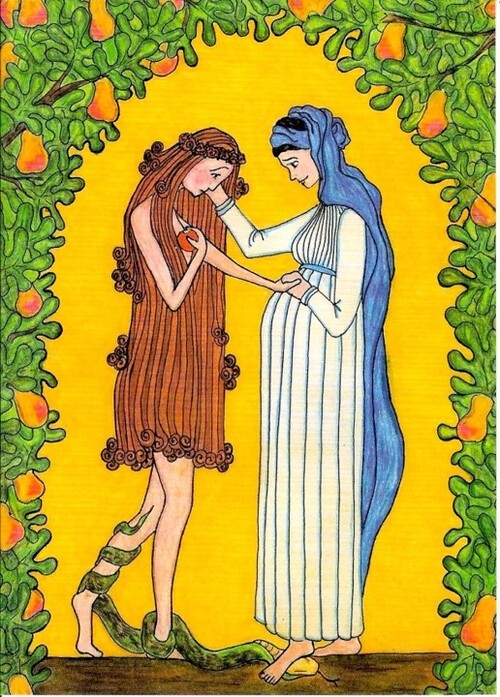
“I will put enmity between you and the woman,
and between your offspring and her offspring;
he shall bruise your head,
and you shall bruise his heel.”
"Mary Consoles Eve"
Sr. Grace Remington
https://www.plough.com/en/topics/culture/holidays/christmas-readings/mary-consoles-eve
Recent
Archive
2026
2025
January
February
March
April
May
June
September
2024
January
February
March
May
July
August
September
October
November
No Comments